

Introduction
Fatty liver disease is becoming an increasingly common health concern among adults. It occurs when excess fat accumulates in the liver, potentially affecting its normal functioning. In many cases, people may have fatty liver without experiencing noticeable symptoms.
With changing dietary habits, sedentary lifestyles, obesity and increasing cases of diabetes, fatty liver disease deserves greater attention. If you are searching for fatty liver treatment in Bhubaneswar, understanding the condition, identifying risk factors and seeking timely medical advice can help protect your liver health.
Dr. Shakti Prasad Choudhury, Gastroenterologist in Bhubaneswar, provides gastroenterology and liver-related consultation for patients experiencing digestive and liver health concerns.
What Is Fatty Liver Disease?
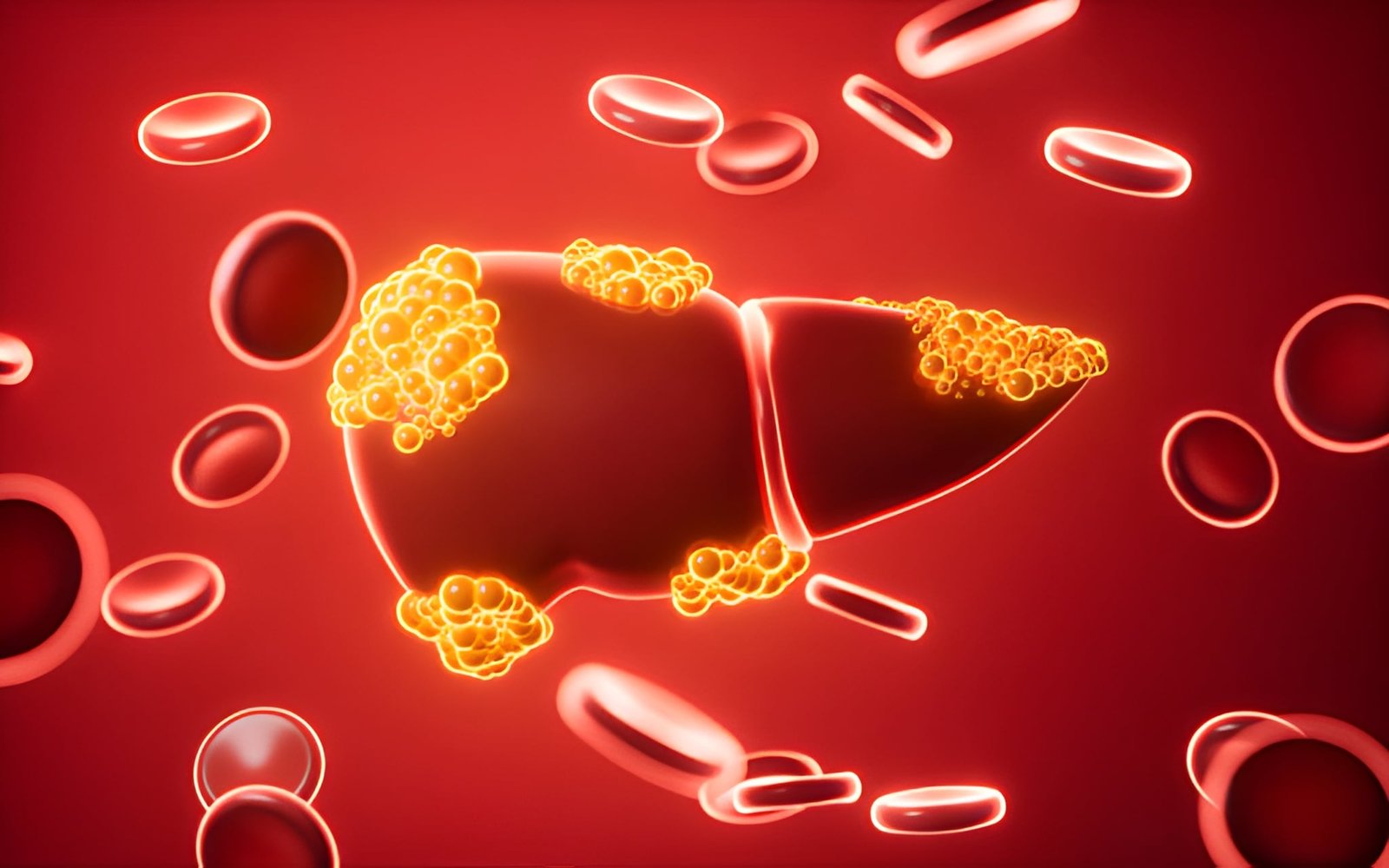
Fatty liver disease refers to the accumulation of excess fat in liver cells. Metabolic dysfunction-associated steatotic liver disease (MASLD), previously known as non-alcoholic fatty liver disease (NAFLD), is an important form of fatty liver disease.
Common associated risk factors include:
- Overweight and obesity.
- Type 2 diabetes.
- High cholesterol and triglyceride levels.
- Insulin resistance.
- Physical inactivity.
- Unhealthy dietary habits.
In some individuals, the condition can progress to liver inflammation, fibrosis and, in advanced cases, cirrhosis.
Common Symptoms of Fatty Liver
Fatty liver disease is often called a silent condition because many patients do not experience symptoms during its early stages. Some people may experience:
- Persistent fatigue and weakness.
- Discomfort in the upper-right abdomen.
- A feeling of fullness.
- Unexplained changes in liver function test results.
Advanced liver disease may cause jaundice, abdominal swelling and other complications. The absence of symptoms does not necessarily mean that the liver is healthy.
How Is Fatty Liver Diagnosed?
- Liver Function Test (LFT): Blood tests help assess liver enzymes and other indicators of liver health.
- Ultrasound Abdomen: An abdominal ultrasound can help identify fat accumulation in the liver.
- Fibro Scan or Liver Elastography: This test helps assess liver stiffness and estimate the extent of fibrosis.
- Additional Blood Tests: Blood sugar, lipid profile and tests for other liver conditions may be recommended.
In selected cases, a liver biopsy may be considered.
What Is the Treatment for Fatty Liver?
Treatment depends on the severity of the condition, associated medical problems and individual risk factors.
- Maintain a Healthy Weight: Gradual weight reduction can help reduce liver fat and improve metabolic health in people who are overweight.
- Follow a Balanced Diet: Include vegetables, fruits, whole grains, pulses and healthy sources of protein. Limit sugary beverages, processed foods and excessive calorie intake.
- Exercise Regularly: Regular physical activity can improve insulin sensitivity and support liver health, even without significant weight loss.
- Manage Diabetes and Cholesterol: Proper management of blood sugar, blood pressure and cholesterol is important.
- Avoid Alcohol and Unverified Supplements: Alcohol can worsen liver damage. Avoid self-medication and unverified herbal liver supplements.
There is no single medicine suitable for every fatty liver patient. Treatment should be based on an individual medical assessment.
When Should You Consult a Gastroenterologist?
Consider consulting a gastroenterologist if your ultrasound report indicates fatty liver, your liver enzymes are consistently elevated, you have diabetes or obesity along with liver-related concerns, you experience persistent abdominal discomfort, or you need follow-up for a fatty liver diagnosis. Early assessment can help identify patients at risk of progressive liver damage.
Frequently Asked Questions
Q1. Can fatty liver be reversed?
In many patients, particularly in the early stages, lifestyle changes and gradual weight loss can reduce liver fat. Improvement depends on the severity and underlying cause.
Q2. Is fatty liver a serious condition?
It can become serious if inflammation and scarring develop. Regular monitoring and appropriate management are important.
Q3. Which doctor should I consult for fatty liver in Bhubaneswar?
A qualified gastroenterologist or hepatologist can evaluate fatty liver and recommend an appropriate management plan.
Q4. Does fatty liver require surgery?
Most patients do not require surgery. Management generally focuses on lifestyle modification and controlling associated metabolic conditions.