

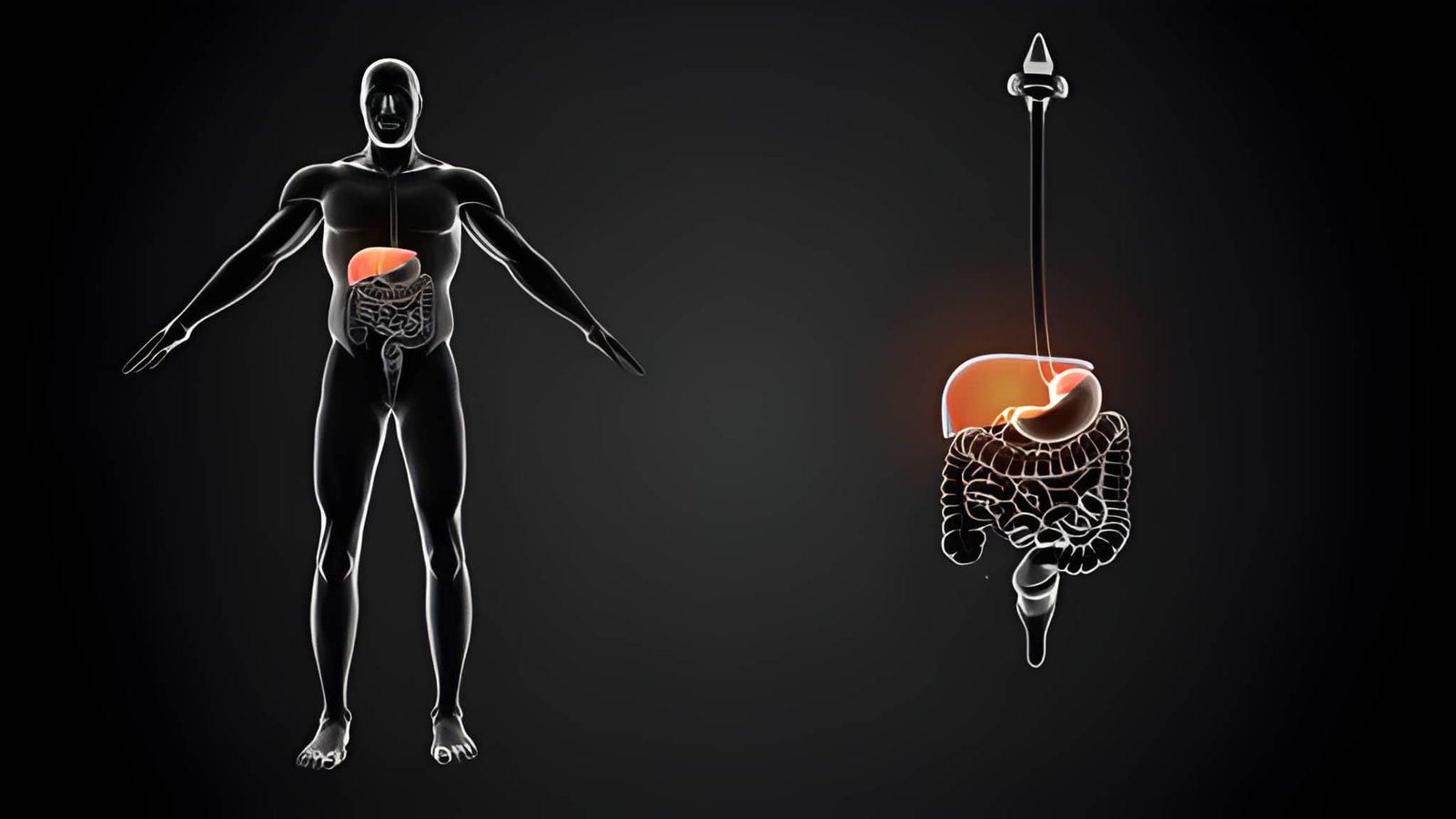
"Your ultrasound shows fatty liver." Many people in Bhubaneswar hear this line after a routine health check-up, often with no symptoms at all. Some ignore it; others worry unnecessarily. Neither reaction is ideal.
Fatty liver is now one of the most common liver conditions in India, affecting roughly one in three adults. Most people with fatty liver will do well with the right lifestyle changes, but a smaller group develop scarring (fibrosis) that can quietly progress to cirrhosis. The key is finding out which group you belong to. In this article, I explain what fatty liver is, who is at risk, how it is properly evaluated, and what treatment actually works.
What Is Fatty Liver Disease?
Fatty liver disease means excess fat has built up inside liver cells. Doctors now use updated names:
- MASLD (Metabolic dysfunction-associated steatotic liver disease): fatty liver linked to weight, diabetes, cholesterol or blood pressure. This was earlier called NAFLD.
- MASH: the more serious form, where fat causes inflammation and liver cell injury.
- MetALD: fatty liver in people who have metabolic risk factors and drink a moderate amount of alcohol. The two together damage the liver faster than either alone.
- Alcohol-related liver disease: fatty liver caused mainly by regular heavy drinking.
Who Is at Risk?
- Overweight or obesity, especially fat around the waist
- Type 2 diabetes or prediabetes
- High triglycerides or cholesterol
- High blood pressure
- Physical inactivity and long sitting hours
- Regular alcohol intake, even in "social" amounts
- Polycystic ovary syndrome (PCOS), hypothyroidism and sleep apnoea
Fatty liver in lean people — common in India
You do not have to be overweight to have fatty liver. Many Indian patients have a normal BMI but carry fat around the abdomen and have insulin resistance. This "lean fatty liver" can be just as significant, so a normal weight should not lead to a fatty liver report being ignored.
Our everyday diet matters
In Odisha, meals are often built around large portions of rice, with frequent sweets, fried snacks and sweetened tea. Excess refined carbohydrates and sugar are converted into fat by the liver. You do not need to give up your traditional food — but portion size, frequency of sweets and the balance of protein and vegetables on your plate make a real difference.
Symptoms of Fatty Liver
Fatty liver is often called a "silent" disease because most people feel completely normal in the early stages. When symptoms do occur, they may include:
- Tiredness and low energy
- A dull ache or heaviness in the upper-right abdomen
- A feeling of fullness or bloating
Urgent Warning Signs: Advanced disease (cirrhosis) can cause jaundice, swelling of the abdomen or legs, vomiting of blood or confusion. These need urgent medical attention. Remember: feeling well does not mean the liver is healthy.
How Is Fatty Liver Diagnosed?
An ultrasound tells us that fat is present — but not how much damage has been done. The most important question is: is there scarring (fibrosis)? A proper evaluation includes:
- Liver Function Test (LFT): checks liver enzymes. Note that LFTs can be completely normal even in significant fatty liver disease.
- Ultrasound abdomen: detects fat in the liver.
- FIB-4 score: a simple calculation from routine blood tests and age that estimates the risk of fibrosis.
- FibroScan (liver elastography): a quick, painless test that measures liver stiffness (fibrosis) and the amount of fat (CAP score).
- Other blood tests: blood sugar, HbA1c, lipid profile, thyroid function, and tests to rule out hepatitis B, hepatitis C and other liver conditions.
- Liver biopsy: needed only in selected cases where the diagnosis is unclear.
Treatment of Fatty Liver
Treatment is tailored to the stage of disease and your other health conditions. The foundations are:
- Weight loss — the most effective treatment: For people who are overweight, losing even 5% of body weight reduces liver fat. Losing 7–10% can reduce liver inflammation, and 10% or more can help reverse scarring. For a person weighing 80 kg, that means a target of about 6–8 kg, lost gradually over 6–12 months. Crash diets should be avoided.
- Balanced diet: Reduce rice and refined flour portions; fill half the plate with vegetables. Include protein at every meal (dal, pulses, eggs, fish, curd, paneer). Limit sweets, sugary drinks, packaged juices and fried snacks. Prefer whole grains and whole fruits over juices.
- Regular exercise: Aim for at least 150 minutes a week of brisk walking, cycling or swimming, plus some strength training. Exercise reduces liver fat even before the weight on the scale changes.
- Control diabetes, cholesterol and blood pressure: Good control of these conditions protects both the liver and the heart. Some diabetes and weight-loss medicines also benefit the liver, and your doctor can choose them accordingly.
- Avoid alcohol and unverified supplements: Alcohol adds to liver damage in every type of fatty liver. Herbal "liver tonics" and unverified supplements can themselves injure the liver — please avoid self-medication.
- Medicines for advanced disease: There is no single medicine for every fatty liver patient. For selected patients with significant fibrosis, newer medicines are now available. These are prescribed only after a proper assessment of disease stage.
When Should You See a Gastroenterologist?
Please consult a gastroenterologist or hepatologist if:
- Your ultrasound shows fatty liver, especially with diabetes or obesity
- Your liver enzymes are persistently raised
- Your FIB-4 score or FibroScan suggests fibrosis
- You drink alcohol regularly and have fatty liver
- You have persistent upper abdominal discomfort
- You have jaundice, swelling of the abdomen or legs, or blood in vomit or stool (seek care urgently)
Early assessment identifies the minority of patients at risk of cirrhosis, while reassuring the majority.
Frequently Asked Questions
Q1. Can fatty liver be reversed?
Yes, in most people, especially in the early stages. Weight loss of 7–10%, regular exercise and avoiding alcohol can significantly reduce liver fat and inflammation. Even early fibrosis can improve.
Q2. Is fatty liver a serious condition?
For most people it is not dangerous if addressed early. It becomes serious when scarring develops, which is why fibrosis assessment with FibroScan or FIB-4 is important.
Q3. I am not overweight. Can I still have fatty liver?
Yes. Lean fatty liver is common in India and is linked to abdominal fat and insulin resistance. It deserves the same evaluation.
Q4. Can I drink alcohol occasionally if I have fatty liver?
It is best avoided. Alcohol and metabolic fatty liver together increase the risk of liver damage.
Q5. Does fatty liver need surgery?
No, most patients do not need surgery. Treatment focuses on lifestyle and controlling metabolic conditions. Bariatric (weight-loss) surgery may be considered for selected patients with severe obesity.
Q6. Which doctor should I consult for fatty liver in Bhubaneswar?
A gastroenterologist or hepatologist can assess the stage of your liver disease and plan treatment accordingly.

Book a Consultation
If you have been told you have fatty liver, a simple evaluation can tell you where you stand.
Max Super Speciality Hospital, Bhubaneswar & Gastro & Liver Clinic (MIG-34, Baramunda)
Mon–Sat: 8:00–11:00 AM & 5:00–9:00 PM (Clinic) | Call for Hospital OPD